Real street photos, not screenshots from GeoGuessr. Pick a country, then trace the visible clues, compare alternatives, and learn what the photo alone cannot establish.
A better way to practise country clues
Observe: Look for text, road markings, traffic direction, vegetation and buildings.
Shortlist: Keep countries that fit more than one clue.
Rule out carefully: Shared features rarely prove a country by themselves.
Separate evidence from location: The original photo record confirms the answer; your visual inference may be less certain.
This is a small English pilot with 6 real-photo lessons. The larger Japanese catalog is not automatically translated. We display each photographer, source and licence on the lesson itself.
One-photo practice
Which country is this?
Observe the photo first. Make a shortlist, then choose a country.
123
The numbered dots mark observations discussed after your answer. They are overlays, not part of the source photo.
Observe → shortlist → rule out → decide
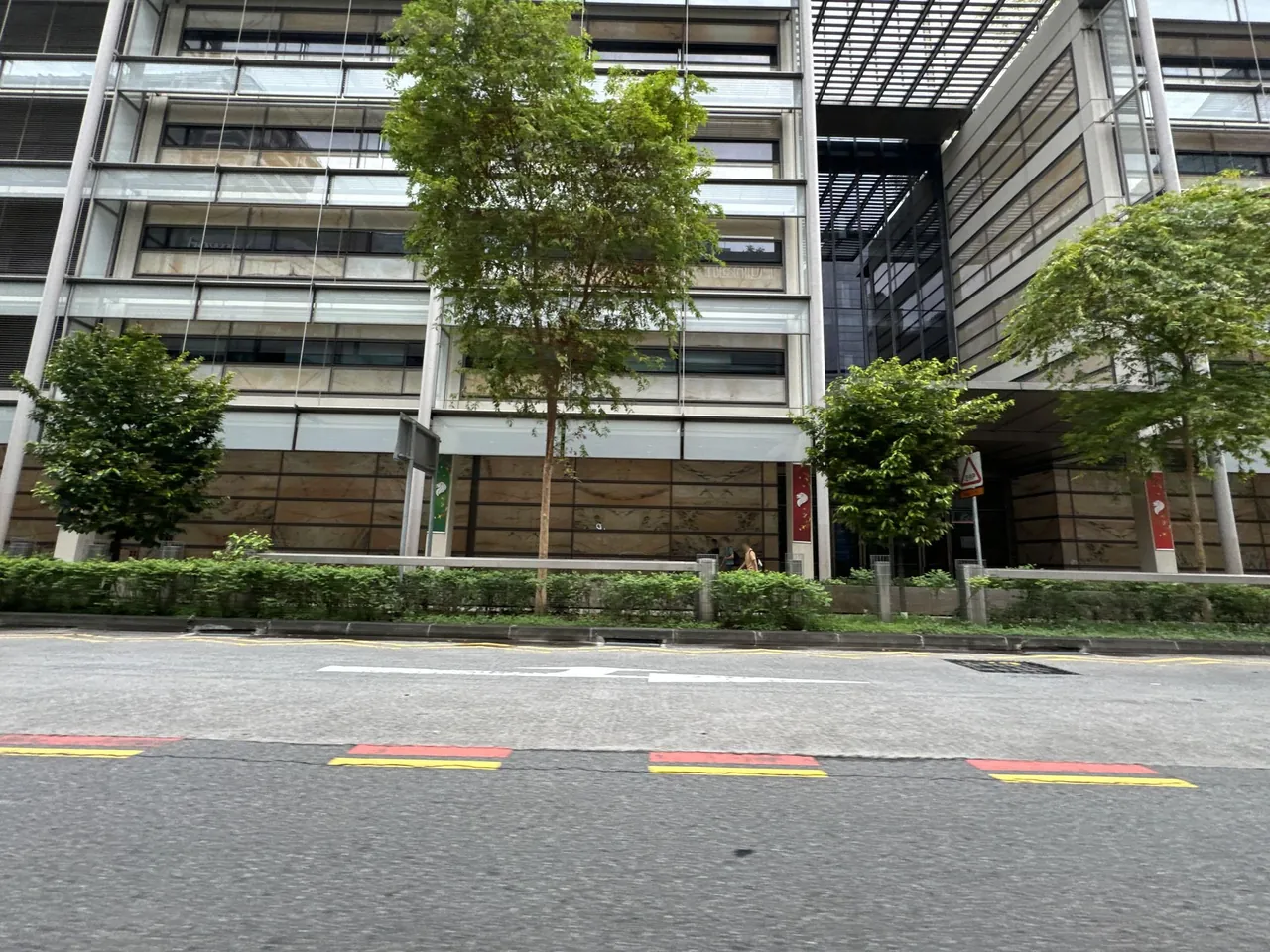
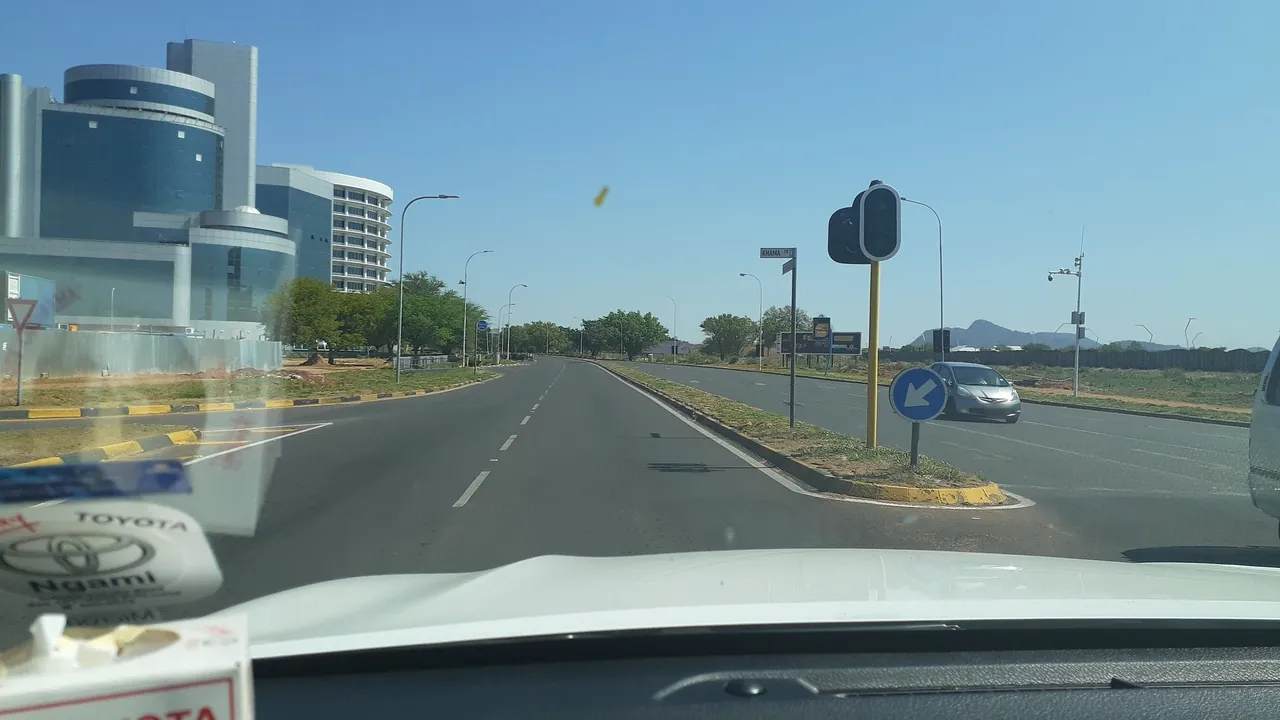
1. Blue keep-left sign It points to left-hand traffic, but cannot distinguish countries in southern Africa on its own.
2. Yellow-and-black median Use the road furniture as supporting evidence, not as a country-exclusive rule.
3. Broad road and dry vegetation Together these fit Gaborone among the offered choices, but other cities can look similar.
Compare the alternatives
South Africa: Left-hand traffic and a dry cityscape also fit South Africa. The photo alone does not rule it out.
Eswatini: Left-hand traffic fits; the broad, flat road and dry setting make Gaborone a stronger guess here.
Namibia: The dry setting fits, but the sign and road furniture still do not identify the country uniquely.
Takeaway: Start with traffic direction, then combine the median and vegetation. Rank candidates rather than treating one sign as proof.
What the image cannot prove: None of these visual clues is unique to Botswana. The source image location confirms Gaborone; the photo by itself does not.
Full frame retained; resized and recompressed as WebP. Numbered dots are separate overlays.
One-photo practice
Which country is this?
Observe the photo first. Make a shortlist, then choose a country.
123
The numbered dots mark observations discussed after your answer. They are overlays, not part of the source photo.
Observe → shortlist → rule out → decide
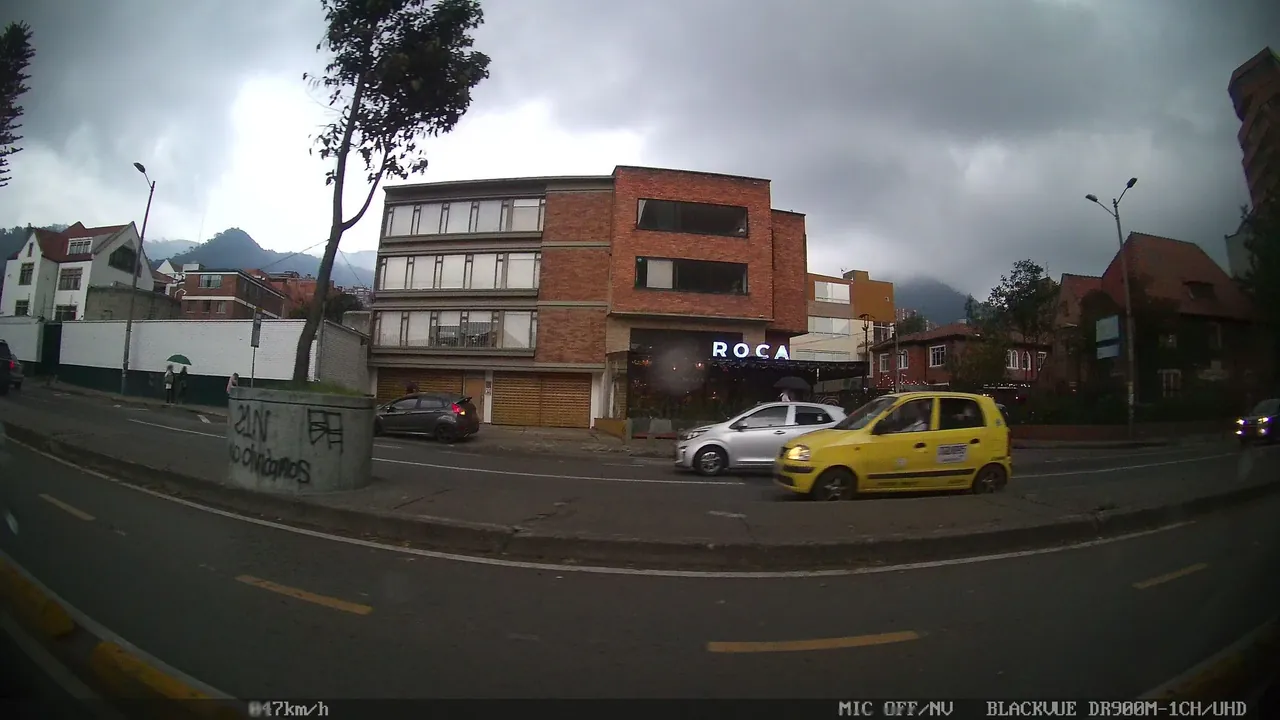
1. Yellow taxi A useful first lead, but taxi colour alone is not a country identifier.
2. Brick-faced building The building in the centre is visible. One building does not establish the density of the whole city.
3. Mountains behind the street This suggests a city near mountains, but does not reveal their name or the city’s altitude.
Compare the alternatives
Ecuador: Yellow taxis, brick buildings and nearby mountains could also fit Ecuador. The photo does not rule it out.
Mexico: Yellow taxis and mountain-backed streets can also occur in Mexico. These clues do not rule it out.
Bolivia: Nearby mountains and brick buildings could also fit Bolivia. There is no visible clue that eliminates it.
Takeaway: This is a case where several visible clues still leave multiple countries. Keep the source-confirmed answer separate from your visual guess.
What the image cannot prove: Taxi colour, brick and mountains are not unique to Colombia. The country and city come from the source location, not a readable plate number.
Full frame retained; resized and recompressed as WebP. Numbered dots are separate overlays.
One-photo practice
Which country is this?
Observe the photo first. Make a shortlist, then choose a country.
123
The numbered dots mark observations discussed after your answer. They are overlays, not part of the source photo.
Observe → shortlist → rule out → decide
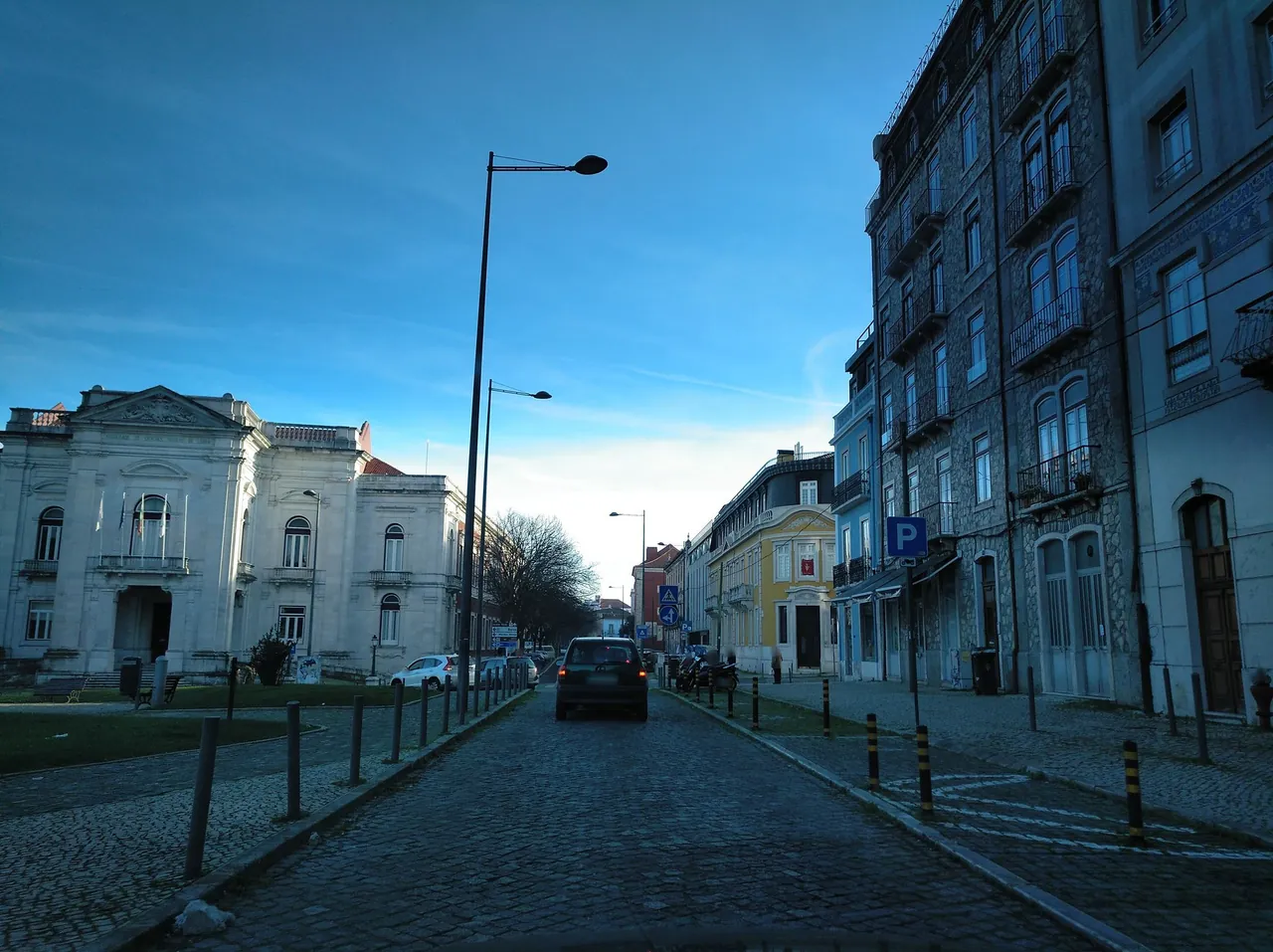
1. Small-stone road surface The road is cobbled rather than plain asphalt. A distinct black-and-white pattern is not clear in this photo.
2. Narrow facades and iron balconies Read the repeated windows, decorated walls and projecting balconies as a group.
3. Cobbled street with a gentle slope Observe the continuous paving and the street’s shape; the photo cannot establish an “old town” label.
Compare the alternatives
Spain: Cobbles and balconies can also appear in Spain. This photo does not rule it out.
Italy: Cobbles and older facades overlap. Do not use a black-and-white paving pattern that is not clearly visible.
Greece: Stone streets and balconies can overlap. The photo alone does not eliminate Greece.
Takeaway: Compare paving, windows and balconies, but recognize when the combination still cannot establish a country.
What the image cannot prove: Similar paving and architecture appear outside Portugal, and a clear black-and-white paving pattern is not visible here. The country and city come from the source location.
Full frame retained; resized and recompressed as WebP. Numbered dots are separate overlays.
One-photo practice
Which country is this?
Observe the photo first. Make a shortlist, then choose a country.
123
The numbered dots mark observations discussed after your answer. They are overlays, not part of the source photo.
Observe → shortlist → rule out → decide
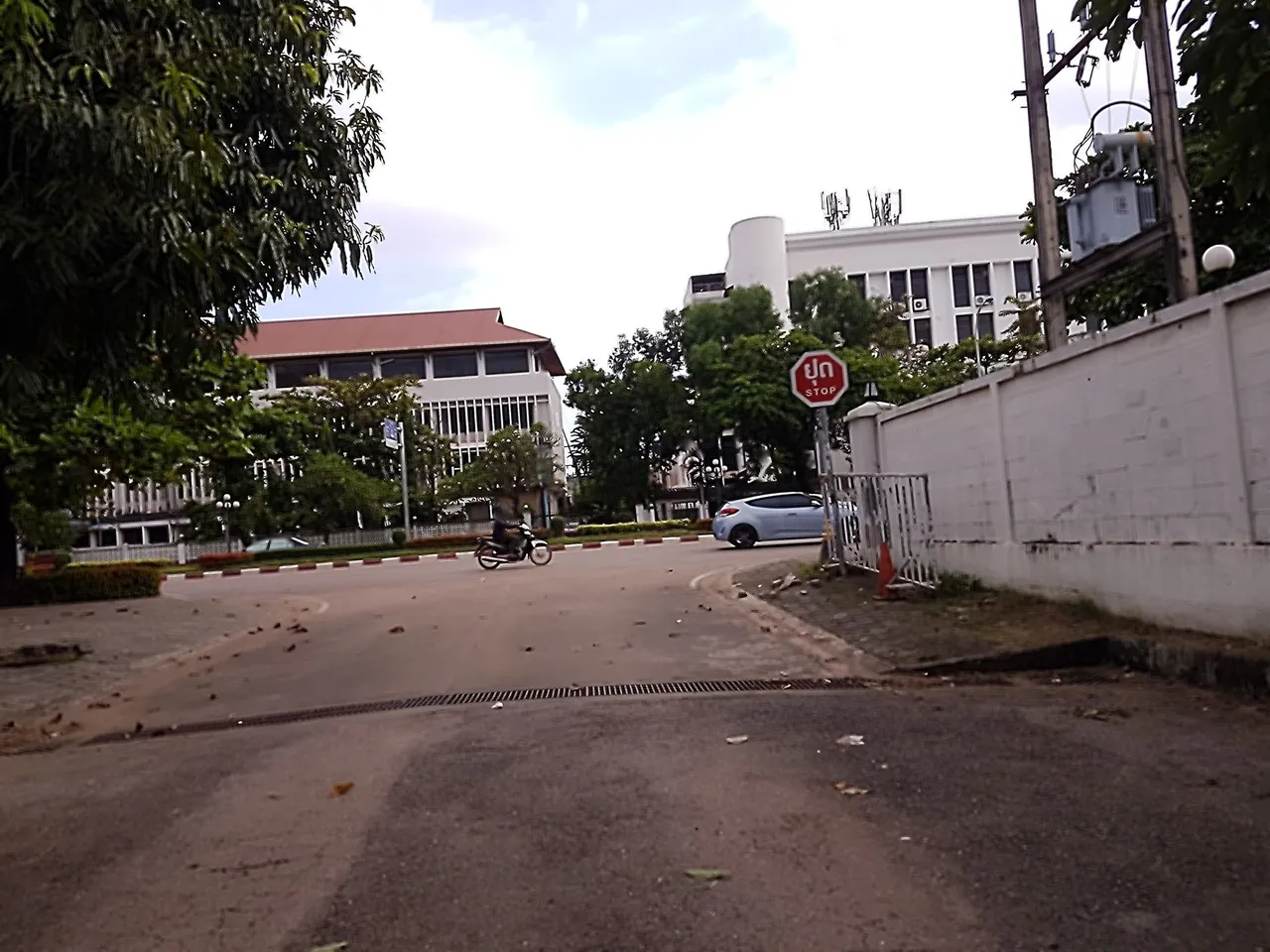
1. Local script on the upper line The word is small, so zoom in before comparing its letter shapes with Lao examples. Roundness alone is not enough.
2. STOP on the lower line The English word helps confirm the sign’s function, not the country. Compare the writing above it.
3. Red-and-white curb This is a visible supporting clue, but the colour is shared by nearby countries.
Compare the alternatives
Thailand: Thai script can look similar. Compare the actual upper word carefully; at this size, do not claim certainty from shape alone.
Cambodia: Khmer has different letter forms, but the curb and road environment alone would not exclude Cambodia.
Myanmar: Myanmar script also has rounded forms. The specific upper word matters more than generic roundness.
Takeaway: When a sign is legible, compare the actual word or script—not just its colour or octagonal shape.
What the image cannot prove: The small lettering depends on image quality and zoom. The curb and pole are not unique; the source location confirms Vientiane.
Full frame retained; resized and recompressed as WebP. Numbered dots are separate overlays.
One-photo practice
Which country is this?
Observe the photo first. Make a shortlist, then choose a country.
123
The numbered dots mark observations discussed after your answer. They are overlays, not part of the source photo.
Observe → shortlist → rule out → decide
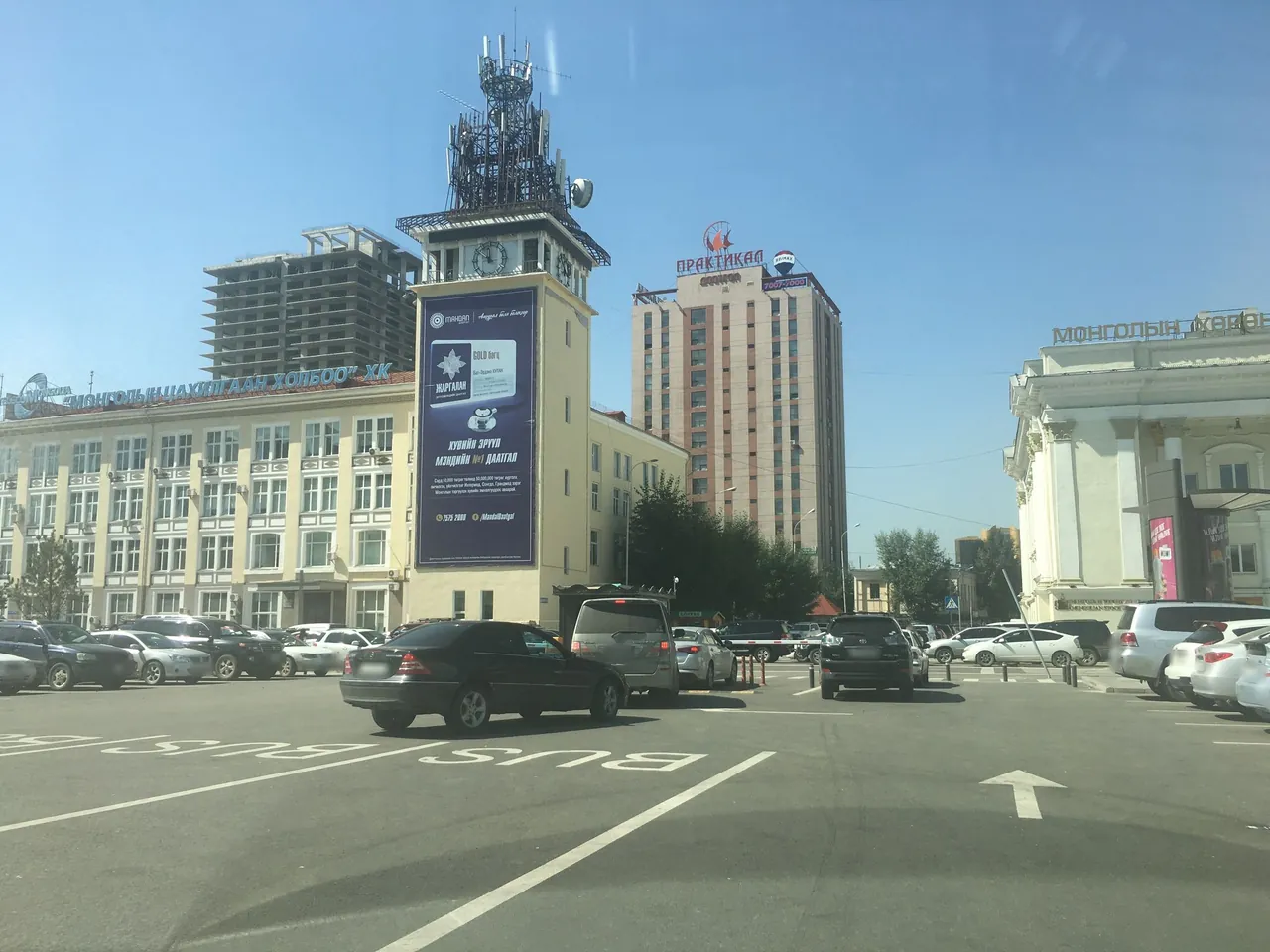
1. МОНГОЛЫН on the right-hand rooftop Look for the specific “Mongol” word form, not simply the presence of Cyrillic letters.
2. Cyrillic on another rooftop Repeated script makes it less likely that one isolated sign is the only clue, but Cyrillic is shared across countries.
3. Broad road and sparse greenery These fit the setting but do not establish Mongolia without the written clue.
Compare the alternatives
Russia: Cyrillic alone fits Russia. The specific rooftop word strongly points toward Mongolia, although a sign could appear elsewhere.
Kazakhstan: Cyrillic and a dry urban scene can fit Kazakhstan. Prioritize the word rather than the generic script.
Kyrgyzstan: A broad road and Cyrillic are shared clues. The rooftop word is more informative; the source confirms the final answer.
Takeaway: Do not jump from “Cyrillic” to Russia. Look for a country- or language-related word in the actual scene.
What the image cannot prove: A word on a sign is not proof of the photo’s country. The exact city and country are confirmed by the Mapillary source location.
 123
123